Child Safety Guide: How to Choose Cleaning Tools Without Sharp Edges?
Child Safety Guide: How to Choose Cleaning Tools Without Sharp Edges?
Household cleaning tools with sharp edges can easily cause accidents such as bumps and scratches for children. Choosing cleaning tools without sharp edges requires paying attention to design, materials, certifications, and scenario adaptability to create a safe environment for children.
Check the Rounded Corner Design of Core Components
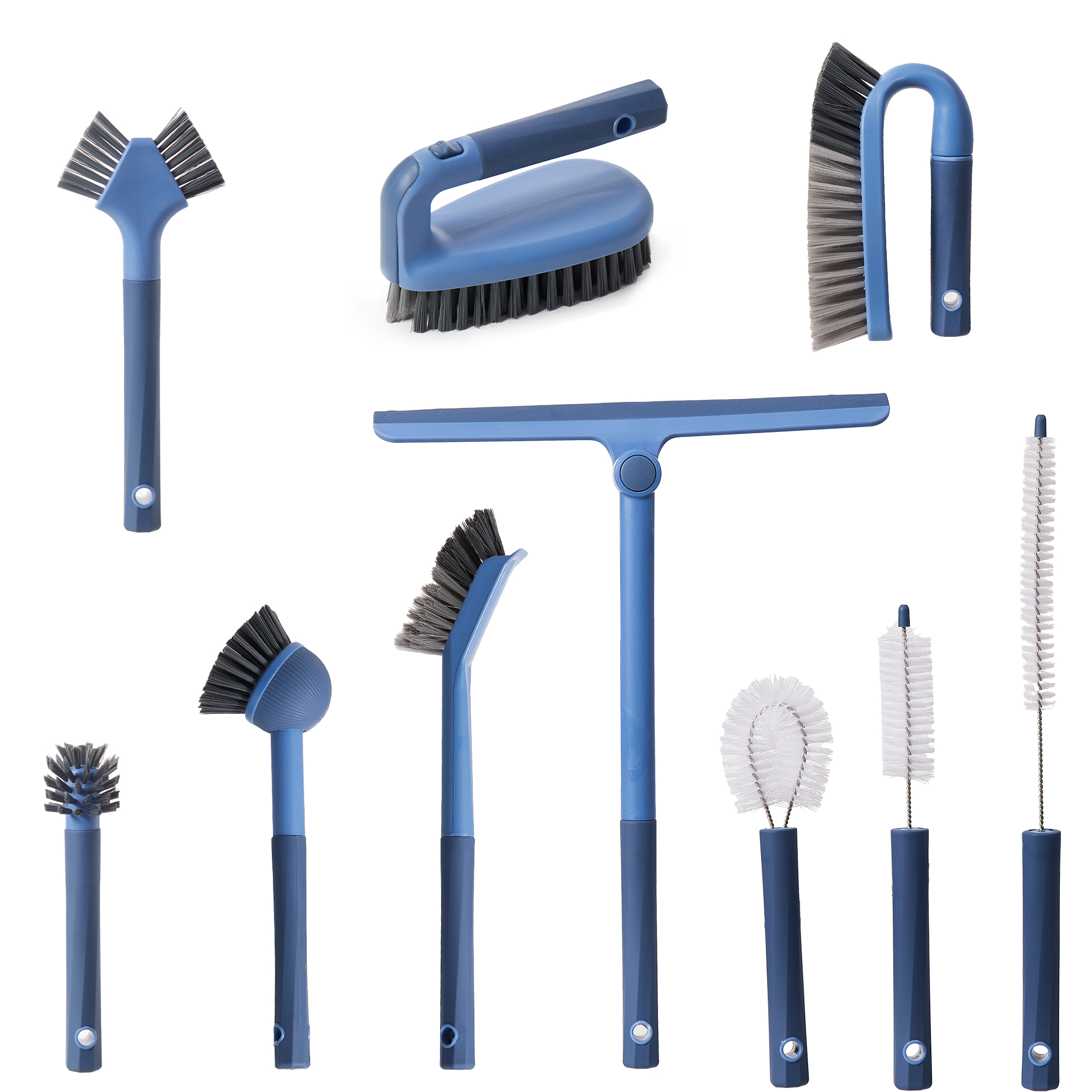
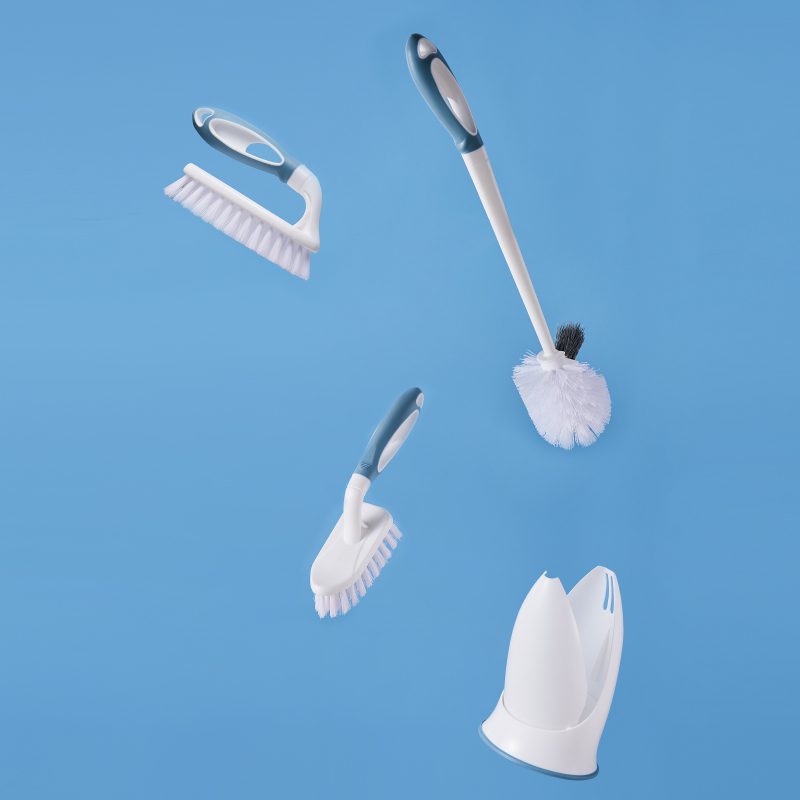
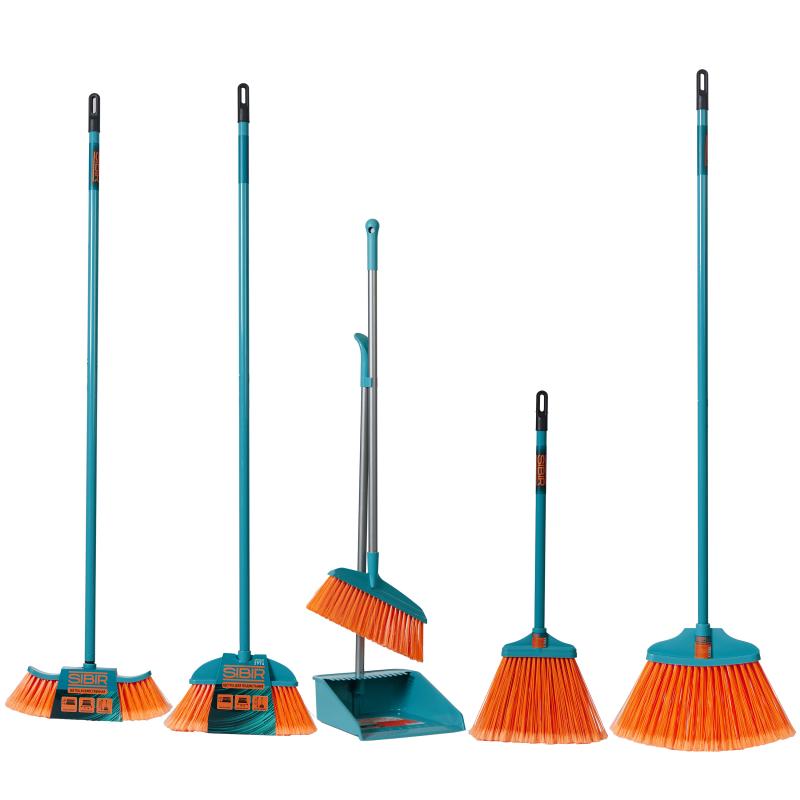
Focus on checking the rounded corner treatment of the tool's edges, corners, and connectors. For brooms, ensure the connection between the plastic pole and the brush head is an arc transition with an edge radius of no less than 5mm, and the edge of the brush head is smooth without burrs. For mops, metal buckles, screws, and other components need to be hidden or covered, with exposed parts designed in a circular shape. The edge of the mop head should be wrapped with silicone or rubber. For cleaning brushes, there should be no right-angle protrusions at the connection between the brush head and the handle, and the end of the handle is best designed as a round grip ball.
Prioritize Flexible Materials and Buffer Structures
Materials should balance safety and functionality. Choose tough plastics such as high-density polyethylene (HDPE) or polypropylene (PP) for broom poles and mop poles. Avoid pure metal poles; if metal must be used, ensure there is a plastic coating with a thickness of no less than 0.5mm on the surface. For broom bristles, select nylon filaments or PP filaments with a diameter of more than 0.3mm and rounded tops. Mop heads should use microfiber or cotton-linen blended materials with stitched edges instead of heat-pressed hard edges. Prioritize tools with buffer structures such as elastic rubber rings at key parts.
Refer to Safety Certifications and User Feedback
Choose products with labels such as "child safety friendly" or "household product safety certification" that comply with relevant standards like GB 24438 - 2009. For tools made of recycled materials, confirm that their harmful substance content meets the requirements of GB 6675 - 2014 "Toy Safety" standard. Before purchasing, check parents' reviews, focusing on keywords like "edge treatment" and "material hardness". Choose brand products with high sales volume and avoid low-cost products without labels or instructions.
Choose Based on Scenario Adaptability
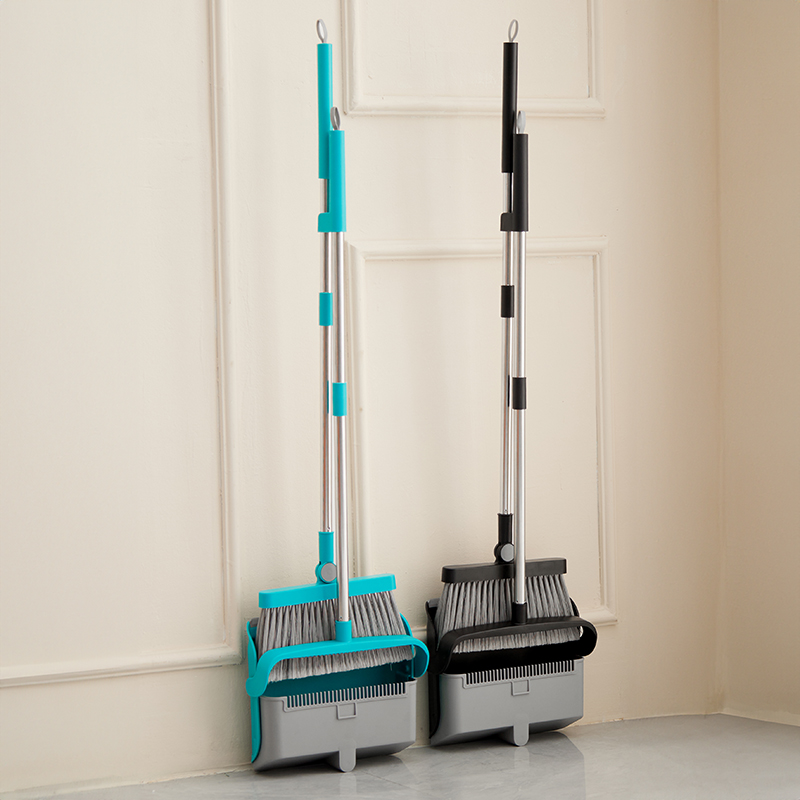
In areas where children often move, such as children's rooms, choose small cleaning tools with a height of no more than 60cm and a weight of less than 500g, preferably in bright warm colors. For families with toddlers, mops and brooms should preferably have a circular standing base with a diameter of no less than 20cm. Match them with wall-mounted storage racks hung out of children's reach, which should have no sharp edges and be firmly connected to the wall. Regularly check for tool wear and replace them promptly if edges are cracked or deformed.
When choosing, carefully check key parts according to the usage scenario, allowing safety design to run through the entire life cycle of the tool, achieving "worry-free cleaning and safe companionship".
Sustainable Practice: Explanation of Closed-Loop System for Recycling and Remanufacturing of Waste Brooms
Monsoon Anti-Mold Guide: Essential Tools to Keep Your Home Dry and Fresh
Related Article